
How Hot Weather Affects Your Asphalt (and What to Do About It)
South Carolina summers bring plenty of sunshine and soaring temperatures, but while the heat might feel good, it can take a serious toll on your asphalt surfaces.
From parking lots to driveways, intense heat can cause asphalt to soften, crack, and deteriorate faster than usual.
Understanding how hot weather impacts your pavement is key to protecting your investment and avoiding costly repairs down the line. In this article, we’ll explain what happens to asphalt in the heat and share expert tips on how to maintain and extend its lifespan.
Why Does Hot Weather Affect Asphalt?
Asphalt is a mixture of aggregate (rocks, sand) and bitumen: a sticky, black, petroleum-based binder that holds it all together.
Bitumen is temperature-sensitive, meaning it responds to changes in heat and cold.
During hot weather:
- Asphalt Softens: High temperatures cause the bitumen to become more pliable, which can lead to rutting, surface deformation, and quicker wear under heavy traffic.
- Oxidation Accelerates: Sunlight and heat cause bitumen to oxidize (think of it like the asphalt drying out), making it brittle and prone to cracking.
- Thermal Expansion: Asphalt expands in the heat and contracts as it cools. Repeated expansion and contraction cycles can lead to cracks forming over time.
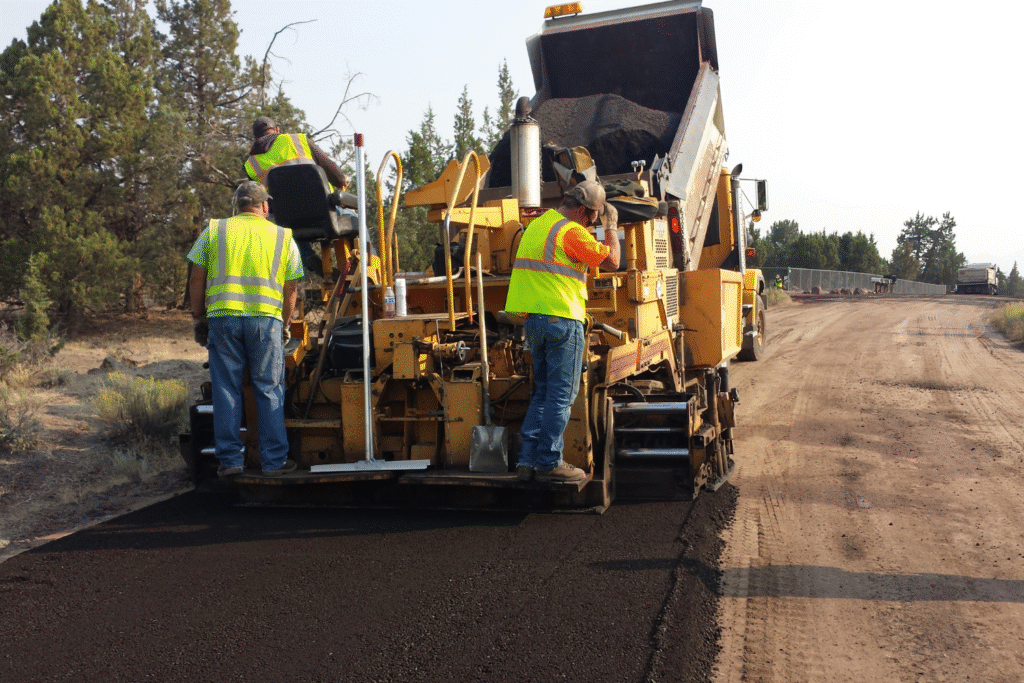
Common Asphalt Problems Caused by Heat
These are common asphalt problems that can occur under the hot South Carolina sun.
1. Surface Rutting and Deformations
Softened asphalt can get pushed down by vehicle tires, especially trucks and heavy equipment, creating ruts and uneven surfaces.
2. Alligator Cracking
Heat makes the surface brittle, leading to interconnected cracks that look like an alligator’s skin. This signals deep damage and needs immediate repair.
3. Bleeding
Excess bitumen can rise to the surface in extreme heat, causing a sticky, shiny appearance that makes the pavement slippery and unsafe.
How to Protect Your Asphalt in Hot Weather
The good news? With proper maintenance and timely repairs, you can minimize heat-related damage and keep your pavement in great shape.
Sealcoating
Applying a sealcoat every 2–3 years protects asphalt from sun damage and oxidation. It acts like sunscreen, extending the life of your lot and keeping it looking fresh.
Routine Inspections
Check your lot regularly for early signs of cracks, soft spots, or bleeding — especially after the hottest months. Early detection lets you act before small problems escalate.
Crack Sealing
Seal even minor cracks quickly to prevent water from seeping in and worsening the damage during cooler months.
Manage Drainage
Ensure water drains properly after summer storms. Standing water weakens asphalt and can cause premature deterioration.
Avoid Heavy Loads During Peak Heat
If possible, limit heavy truck or equipment traffic during the hottest parts of the day when asphalt is most pliable.
Why Choose Black Seal for Your Asphalt Maintenance?
Black Seal knows South Carolina’s climate challenges and offers expert asphalt repair and maintenance services tailored for heat-prone areas.
From sealcoating and crack sealing to full-depth repairs and drainage solutions, we help you protect your investment year-round.
Ready to Protect Your Asphalt This Summer?
Don’t wait until cracks and ruts take over. Schedule a professional inspection with Black Seal and get expert advice on keeping your pavement strong, safe, and smooth — no matter the heat.
Contact us today for a free inspection and keep your lot in top condition.